
Shiro Kuramata.
Transparency and Experimentation

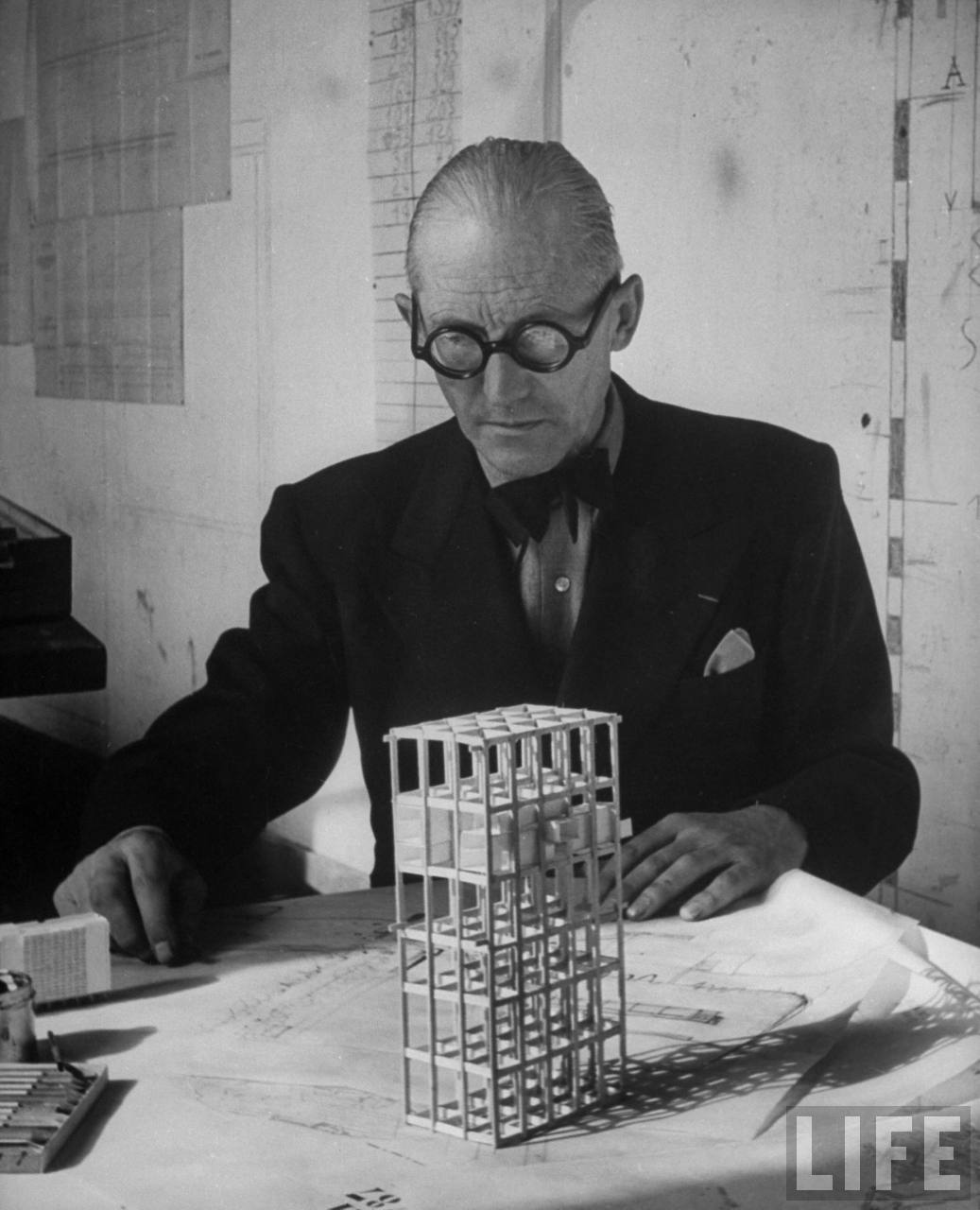
Shiro Kuramata (1934–1991) was a pioneering Japanese designer renowned for his innovative and avant-garde approach to furniture and interior design. Born in Tokyo during World War II, Kuramata's early experiences profoundly influenced his design philosophy, which sought to blend traditional Japanese aesthetics with modernist and postmodern ideals. His notable works, including the iconic Glass Chair (1976) and the whimsical How High the Moon armchair, exemplify his unique ability to manipulate materials such as glass and acrylic, creating ethereal designs that challenge conventional notions of stability and functionality.
Kuramata's design philosophy emphasized transparency and experimentation, exploring the interplay between light and materials to convey narratives that transcend mere functionality. He believed that good design should be accessible and resonate with the cultural heritage of its context. This commitment to storytelling through materiality not only redefined the relationship between objects and their surroundings but also positioned Kuramata as a crucial figure in Japan's emergence as a global leader in creative design.
His work significantly impacted various sectors, including fashion retail, where he collaborated with renowned designers such as Issey Miyake.
Despite his acclaim, Kuramata's work has faced critique for occasionally prioritizing aesthetic appeal over practical utility, sparking ongoing discussions about the balance between artistic expression and functional design. This tension highlights the complexity of his contributions to the field, reinforcing the idea that design can serve as both an expressive art form and a practical necessity.
Kuramata's legacy continues to inspire new generations of designers, emphasizing the importance of integrating emotional connections and cultural narratives into the design process.

Early Life and Education
Shiro Kuramata was born in Tokyo, Japan, in 1934, during a tumultuous period marked by World War II and the subsequent American occupation of Japan.
His early life experiences were significantly shaped by the war, as he was evacuated from Tokyo as a child, an event that left a profound impact on his design philosophy and aspirations for freedom in design.
In 1953, Kuramata graduated from the Polytechnic of Tokyo, where he studied architecture and began his professional journey by working at a local furniture company, Teikokukizai.
Shortly thereafter, he enrolled at the Kuwasawa Design School in Tokyo, which introduced him to more Western concepts of interior design, including the study of chairs. This was particularly notable at a time when traditional Japanese homes predominantly featured tatami mats and floor seating.
Kuramata's education and early experiences laid the foundation for his innovative approach to design, where he sought to redefine the relationship between form and function, blending traditional Japanese aesthetics with modernist and postmodern ideals.

Career
Shiro Kuramata (1934–1991) was a pivotal figure in 20th-century Japanese design, renowned for his innovative approach to furniture and interior design. Born in Tokyo, he developed an interest in design during his formative years, graduating from a polytechnic high school in 1953 where he studied woodcraft.
Kuramata's career began with a position at a furniture company, and he later enrolled in a Tokyo institute that introduced Western interior design concepts. This blend of traditional Japanese craftsmanship and modern Western influences would characterize his future work. Throughout his career, Kuramata created a diverse array of designs, including furniture, exhibitions, and shop interiors. His notable works include the "Pyramid Furniture" (1968), "Lamp(Oba-Q)" (1972), and the "Glass Chair" (1976), showcasing his fascination with form and material.
He also made significant contributions to the fashion retail sector, designing interiors for prominent establishments such as the ISSEY MIYAKE MEN shop in Aoyama, which opened in 1987.
Kuramata's design philosophy emphasized transparency and experimentation, often exploring the interplay of light and materials. He believed that interior design should evolve continuously and was proactive in documenting his work through photographs, acknowledging that much of his interior designs would not endure in their original forms.
His collaborations with influential designers and artists, including Issey Miyake, further solidified his reputation as a crucial force in Japanese design, contributing to Japan's emergence as a global leader in creativity and innovation.
In addition to his design work, Kuramata published various books documenting his philosophy and projects, helping to cultivate a deeper understanding of design within Japan's cultural narrative. His legacy continues to inspire future generations of designers, reflecting the importance of integrating design into the cultural and educational fabric of society

Design Philosophy
Shiro Kuramata's design philosophy is deeply rooted in the exploration of materials and the narratives they can convey. He believed that good design transcends mere functionality; it tells a story and reflects cultural heritage while propelling craftsmanship into the future.
Kuramata's work often utilized transparent materials, such as glass and acrylic, to create an ethereal quality that gave the illusion of objects floating in air, thereby challenging conventional notions of support and structure.
This innovative use of materials was not just an aesthetic choice but also a philosophical statement about the nature of design itself. Kuramata's emphasis on transparency is indicative of his belief that design should be accessible and resonant. He posited that transparent materials do not belong to a specific place but are ubiquitous, representing the interconnectedness of objects and experiences in everyday life.
His exploration of materials was marked by a desire to experiment with their properties, often combining industrial elements with a poetic sensibility. This approach allowed him to discover new possibilities in form and fabrication, inspiring subsequent generations of designers to engage with material experimentation as a core principle of their work.
His iconic pieces, such as the "How High the Moon" armchair, exemplify his fascination with the contradictions of materiality, merging industrial materials like steel mesh with playful designs that evoke both whimsy and sophistication.
The use of acrylic, in particular, became a hallmark of his later works, where its transparent quality not only highlighted the objects themselves but also invited viewers to consider the relationship between the object and its surroundings.
Through his designs, Kuramata sought to challenge perceptions and encourage a deeper appreciation for the artistry involved in everyday objects, ultimately reshaping the landscape of Japanese design in the process.
In essence, Kuramata's design philosophy reflects a commitment to storytelling through materiality, a quest for beauty in simplicity, and a desire to forge connections between the past, present, and future of design.

Major Works
Shiro Kuramata's oeuvre is marked by an innovative approach to materials and form, showcasing a blend of refinement and optimism in design. His works often reflect a deep engagement with transparency, lightness, and the playful use of industrial materials. Notable pieces include the Glass Chair (1976), which is widely regarded as one of the most influential furniture designs of the 20th century. This iconic chair, constructed from assembled glass plates, exemplifies Kuramata's ability to create visually striking forms that challenge conventional perceptions of furniture stability and functionality.
Another significant creation is Twilight Time (1985), a table featuring a stepped-edge glass top supported by three cone-shaped legs made of expanded metal. The design presents a delicate balance that emphasizes its fragile appearance, furthering Kuramata's exploration of spatial form over structural solidity.
His early work, including Furniture with Drawers (1967), showcases his skill in integrating functionality and aesthetics, incorporating pull-out drawers around the body of the chair in a seamless manner.
Additionally, Pyramid Furniture (1968), constructed from transparent acrylic board, and Checked Drawers #1 (1975), featuring a black lacquer finish in a checkerboard pattern, highlight his penchant for materials that embody both visual and tactile qualities.
His creations often convey a sense of humor and whimsy, as seen in works like How High the Moon, which offers a philosophical take on the form of the chair itself. Kuramata's exploration of new technologies and materials, such as acrylic, glass, aluminum, and steel mesh, allowed him to push the boundaries of design, resulting in lightweight and visually captivating objects that have left a lasting impact on global design discourse.

Awards and Recognition
Shiro Kuramata, renowned for his innovative and avant-garde designs, received numerous accolades throughout his career, solidifying his status in the design world. Among his notable recognitions, he was honored by the Japan Design Committee and received various international awards, showcasing his influence both domestically and abroad.
In 1990, shortly before his death, Kuramata's contributions to the arts were acknowledged when he was made a Knight of Arts and Letters in Paris, highlighting his international reputation.
His work continues to be celebrated in prestigious institutions, including the Museum of Decorative Arts in Paris and the Museum of Modern Art (MoMA) in New York, where several of his iconic pieces are permanently displayed.
Kuramata's artistic innovations, particularly in the use of materials such as glass and acrylic, earned him acclaim from fellow designers and critics alike. His piece "Miss Blanche" (1988), a notable example of his surrealistic furniture design, achieved remarkable auction results, further reflecting his lasting impact on contemporary design.
The recognition of his work extends beyond accolades; it includes ongoing exhibitions that celebrate his creative legacy, underscoring the significance of his contributions to the field of design

Legacy
Shiro Kuramata's legacy is characterized by his profound influence on Japanese design and his ability to transcend cultural and temporal boundaries through his work. His designs, such as the iconic Revolving Cabinet (1970) and the Glass Chair (1976), reflect not only a unique aesthetic vision but also a deep understanding of materials and space, influenced by his experiences during a war-torn childhood.
Kuramata’s work serves as an important chapter in the narrative of postwar Japanese design, showcasing how creativity can arise from adversity. In an effort to honor his contributions, exhibitions dedicated to Kuramata have been organized to introduce a new generation of designers to his innovative approach. These exhibitions highlight the importance of dreams and emotional connections in design, aiming to inspire contemporary audiences to reconsider the meaning of design in today's context.
Kuramata's collaborations with other influential designers, such as Ettore Sottsass, further illustrate his impact on the design community, emphasizing a shared vision that spans generations. The importance of preserving Kuramata's works extends beyond mere archival efforts; it embodies a cultural imperative to maintain a connection to Japan's design heritage. Initiatives like the Japan Design Archive Survey actively document the stories and philosophies of designers who shaped the industry, ensuring that future generations can learn from their legacies.
As the field of design continues to evolve, Kuramata's influence remains a guiding light for new practitioners, reinforcing the notion that design is not just a functional endeavor but also a rich tapestry of human experience and creativity.
Reception and Critique
Shiro Kuramata's work has garnered widespread acclaim for its artistic innovation and unique approach to design, yet it has not been without criticism. Many admirers celebrate his ability to blend functionality with avant-garde aesthetics, which has inspired contemporary designers to experiment with new materials and forms.
His iconic pieces, such as the 'How High the Moon' chair and the 'Tokyo' table, are frequently highlighted for their exploration of space and light, emphasizing Kuramata's belief that memories constitute an "infinite cosmos".
However, some critics point out limitations in Kuramata's work, suggesting that while his designs are visually captivating, they may lack practical utility in certain contexts.
This dichotomy between artistic expression and functional design has sparked discussions about the role of aesthetics in the field of design, leading to a deeper exploration of how historical contexts influence creative output. Moreover, the significance of preserving Kuramata's legacy has become increasingly recognized as a crucial aspect of design history in Japan. With the passing of many designers who shaped postwar Japan, there is an urgent need to document and archive their philosophies, actions, and works.
Initiatives like the Japan Design Archive Survey aim to capture these elements, ensuring that future generations understand the cultural and historical significance of Kuramata's contributions to design.